
Learn AI Engineeringin 10 Weeks
A hands-on program for software engineers upskilling into FDE and AI engineering roles.
Trusted by 300 engineers in our first cohort from
Student Testimonials

Badri Rama
Director Technology at AT&T, US

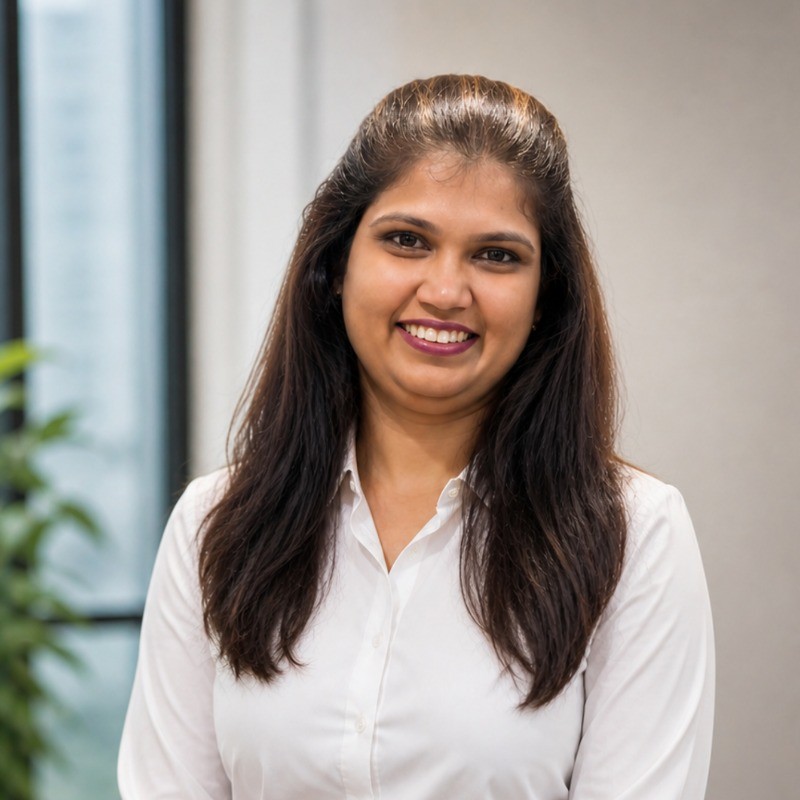
Rajul Babel
Principal Engineer (AI) | Ex-Flipkart, Paytm, Amazon

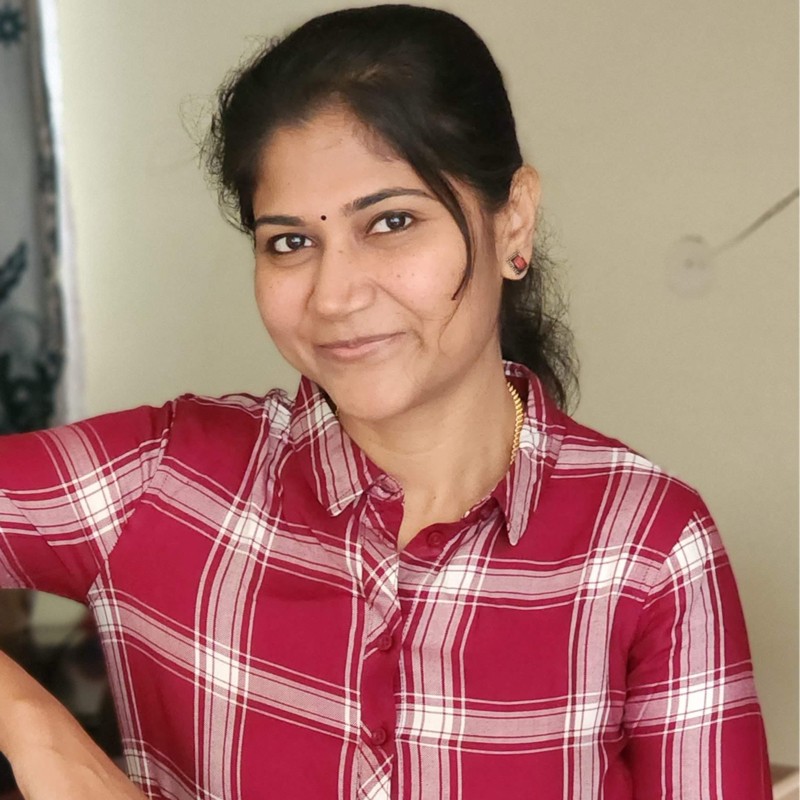
Amisha Manjunath
Software Engineer at Uber




Key Takeaways
AI skills that are essential and job-relevant.
Ship production-grade AI code
Build reliable AI: Agents, RAG, MCP, vector DBs including Evals, guardrails, and observability.
Land AI Engineering roles
Prove it with a real-world capstone portfolio hiring managers can actually see.
Become the AI expert on your team
Spot the right AI use cases and own the room; tradeoffs and decisions your team trusts.
Cohort Outline
A structured approach to AI implementation
Week 1: Overview of LLMs & Training
Understand the fundamental building blocks of LLMs with tokenization, vectorization and attention.
Tokenisation, Vectorization, Attention
Pre-training and post-training
LLM Evaluations
End-to-end LLM lifecycle
Week 2: Quantization and Fine-Tuning
Learn how LLMs are quantized for fast processing, and how to fine-tune models to meet specific business requirements.
Fine-tuning - LoRA/QLoRA
Quantization - FP16, attention optimizations
When to fine-tune vs. when not to?
Fine-tuning an SLM for tool use
Week 3: Retrieval Augmented Generation
Learn chunking strategies, data ingestion, reranking, indexing, vector databases, and other techniques for retrieval augmented generation.
RAG: chunking strategies, data ingestion, reranker, indexer
Vector Embeddings, Vector Databases
Search Algorithms: ANN algorithms (HNSW, IVF)
Week 4: Hands-on RAG Implementation
An interactive project where students learn to code a RAG-based application and learn best practices for AI safety.
Reranking strategies, Query rewriting, HyDE
Input and output guardrails
Safety: Prompt injection, Intent classification
Coding Assignment: Build a RAG chatbot using API calls
Week 5: AI Agents and Tool Calling
Learn what an Agent is, how they are different from plain LLMs, Tool Calling, ReAct pattern, and Agent Orchestration.
LLM vs Agent vs Multiple Agents
ReAct pattern
Prompt Chaining, Orchestration, Routing
Coding Assignment: Customer support agent
Week 6: MCP, Context Engineering, Multi-Agent Systems
Code an AI Agent with MCP and memory, optimizing agentic flow.
Context Engineering
Memory in Agents
Model Context Protocol
Multi-Agents
Coding Assignment: MCP with memory and context optimization
Week 7: Evals, AI Applications in Production
Learn how Evals are used in production AI applications, and best practices for AI development.
Evals: How to avoid hallucinations with Evals
LLM as a Judge
Tradeoffs and design decisions
Fine-tuning vs Prompting vs RAG
Project: Build your own LLM Judge
Week 8: Agentic System Design
Learn how AI agents are scaled in distributed systems, and the system design of large-scale AI applications.
Agents at scale
MCP vs. API wrappers
Design tradeoffs
Best practices for agentic system design
Week 9: Image and Reasoning Models
Learn how multimodal models are trained with images and video, and the mechanism of diffusion-based models.
Multimodal models
CLIP
Video Models
CoT, RLHF
Week 10: Capstone Project
Create a production-grade AI project on a topic of your choice.
Recap important concepts
Problem selection
Metrics for evaluation
Feedback on completed projects
Your Cohort Instructor

Gaurav Sen
Software Engineer | Founder, AIEngg
Gaurav Sen is a Software Engineer with experience designing and building AI systems at InterviewReady. He has also worked with companies like Docker and NeonDB in explaining how to build reliable AI systems. Gaurav has previously spoken at the University of Houston-Texas, IIT Gandhinagar, and BITS Hyderabad.
Cohort Investment
$1,700
$1,750Limited Time DiscountCohort Starts On Jul 31, 2026
20 Live Classes with Instructor
9 Weekly Networking Sessions
90 days of implementation support
Lifetime access to recordings
Certificate of completion
7-day money-back guarantee
Learn how to reimburse this program