MOVE TO FDE & AI ROLES
Enroll now
Logo

Transition into FDE& AI Solution Architect roles

AI System Design for software engineers to build scalable AI solutions into production.

7th November → 13th December
9 AM - 10:30 AM IST, Sat & Sun

30+ Enrolled last week

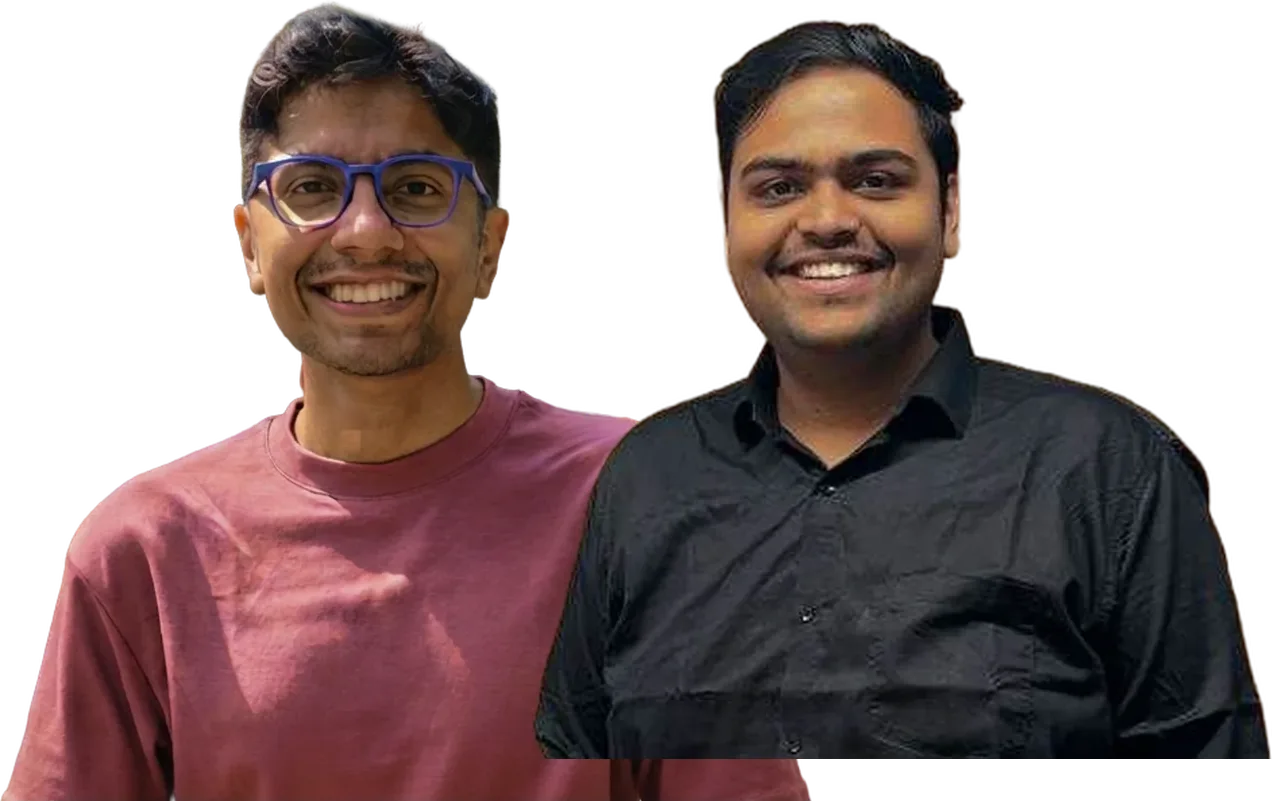
Gaurav Sen and Tanishq Singh

Gaurav Sen

Founder AIEngg

(Ex-Uber, Directi)

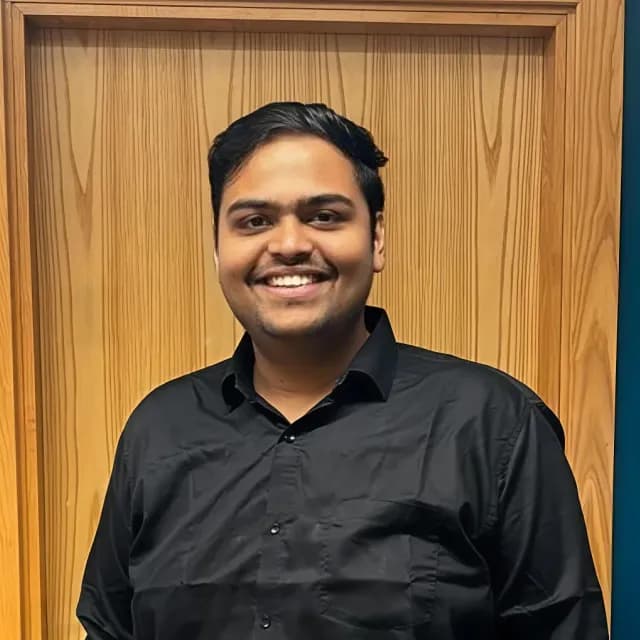
Tanishq Singh

AI Engineer, IIT Madras

& University of Birmingham

Trusted by 600+ engineers across US, India and rest of the world

Testimonials

Deepti Nadkarni
IN

Deepti Nadkarni

Security Operations Engineer at Microsoft

AI Engineering Cohort, Aug 2026

I came out able to confidently design and build AI systems: LLMs, RAG, multi-agents, tools, and the part I have come to love most: evals and guardrails. Finally demystified AI! ❤️

Harshada Padhye
US

Harshada Padhye

Cloud Ops Engineer at Ingest Labs, US

AI Engineering Cohort, Feb 2026

Grateful to the instructors Gaurav Sen, Tanishq, and the cohort for pushing the bar every week. The shift for me? Moving from using LLMs to engineering systems around them, multi-agents, RAG, evals & guardrails.

Fahad Khan
NZ

Fahad Khan

Staff Software Engineer at Visa, NZ

AI Engineering Cohort, Feb 2026

Cohort Syllabus

Your instructors are Gaurav Sen and Tanishq Singh.

Theory

  • Single and Multi-Agent Systems

  • Context Engineering in Agents

  • Types of memory in Agents: short and long term

  • Designing basic evals for Agents

Coding

  • Build a scalable and performant agentic application.

Theory

  • Update documents without rebuilding vector indexes

  • Build background ingestion pipelines and access control

  • Use scalable search algorithms for improved context

  • Build scalable input and output guardrails

Coding

  • Design a scalable RAG application.

Theory

  • Build evaluation datasets for agent actions and tool calls

  • Use LLMs as judge and compare with human evals

  • Automate regression tests for deployment

  • Test prompt injection and unauthorized tool usage

Coding

  • Build an automated eval suite for the agent application.

Theory

  • Build secure APIs and package AI applications

  • Connect databases and background workers

  • Automate testing and deployment using CI/CD

  • Manage containerized AI applications on cloud

Coding

  • Deploy the agentic application to cloud with secure APIs.

Theory

  • Track requests across agent actions and MCP

  • Monitor errors, token usage, and user feedback

  • Apply caching, rate limits, async execution

  • Set up alerts to handle system outages

Coding

  • Add monitoring and performance optimizations to the app.

Theory

  • Review system architecture and design choices

  • Validate security, reliability, and production readiness

  • Failure modes, and cost/performance trade-offs

  • Evaluate against real-world use-cases

Coding

  • Present a production grade AI application with a live workflow.

Capstone Project

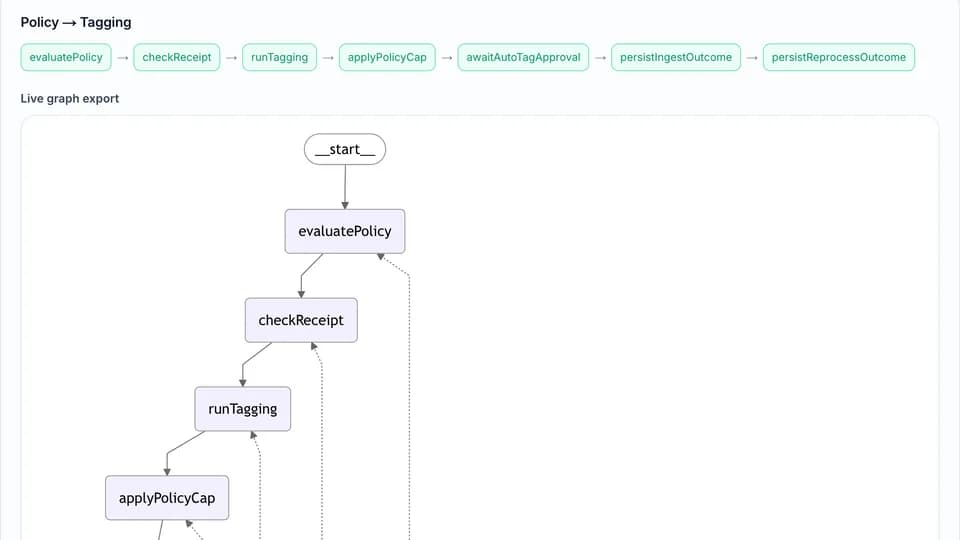
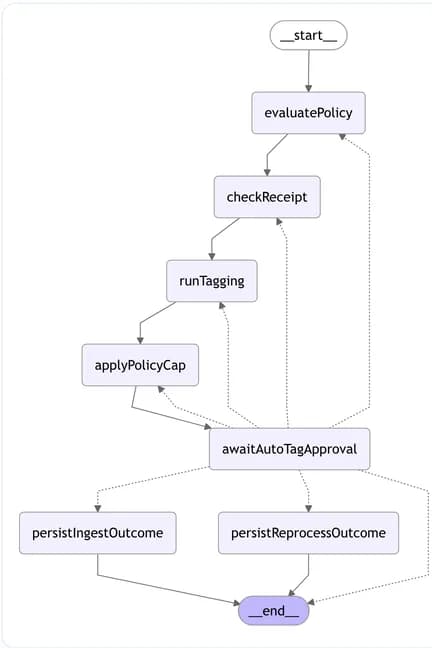
Family Financial Tracker

A household expense agent that sends the model the merchant, the amount and the date, and nothing else. Field minimisation is the whole prompt injection defence, argued from a threat model and checked by a red team eval rather than asserted.

Lavanya MMEngineering Manager at SAP
Instructors

Your Cohort Instructors

Gaurav Sen and Tanishq Singh

Gaurav Sen

Founder AIEngg.dev | Ex-Uber, Directi

Gaurav Sen is a Software Engineer with experience designing and building AI systems at InterviewReady. He has also worked with companies like Docker and NeonDB in explaining how to build reliable AI systems. Gaurav has previously spoken at the University of Houston-Texas, IIT Gandhinagar, and BITS Hyderabad.

Tanishq Singh

AI Engineer | IIT Madras | University of Birmingham

Tanishq is an AI Engineer and Master's graduate from IIT Madras and the University of Birmingham, with production experience across FinTech, HealthTech, and EdTech. He has built end-to-end RAG pipelines and multi-agent systems using tools like LangGraph, CrewAI, and AWS Bedrock, with deep expertise in agent orchestration, context engineering, and memory for agentic systems. His evaluation work spans hallucination detection, prompt injection, and guardrail testing.

Everything you get

Build production level capstone project

Get feedback from Gaurav & industry experts from Meta, Google, Amazon for 6 weeks

OpenAI credits for capstone project

Learn the theory, then implement it immediately on production APIs.

Lifetime access to Experts & Alumni network

Monthly access to industry leaders and alumni from every cohort.

Lifetime access to class recordings

Every session, forever yours.

Certificate of completion

Share your new skills with your employer or on LinkedIn.

Investment

Cohort Investment

AI System Design

$2,200

$2,500Launch price

Cohort Starts On Nov 7, 2026

  • 12 Live Classes with Instructors
  • 5 Live Networking sessions
  • Hands-on production capstone project
  • 45 days of teacher support
  • Lifetime access to recordings and material
  • Certificate of Completion

7-day money-back guarantee

Learn how to reimburse this program

Frequently asked questions

This program is for software engineers, staff engineers, tech leads and engineering managers who want to build scalable, production-grade AI applications. We expect prior coding experience, a basic understanding of software systems, and some exposure to RAG or agentic applications.

No. This cohort starts where a working prototype ends: agent design, retrieval, evals, deployment, observability and scaling. It assumes you have already built or used a basic RAG or agentic application, and it does not teach ML from first principles.

Yes, you will have lifetime access to all video recordings and reading material for this cohort.

We offer a 7-day money-back guarantee. If you are not satisfied with the program, you can request a refund within 7 days of the program start date. Contact our support team for a refund. Please note that payment gateway and currency charges will be non-refundable (~5-10% of invoice value).

Classes will be held every week at 9 AM - 10:30 AM IST, on Saturday and Sunday. We will also have networking sessions on Wednesday from 7 - 8 PM IST.

We provide a GSTIN invoice, course completion certificate, and clarifications to your team manager and HR if needed. You can download the Cohort Brochure here and find our email template for reimbursement here.

The classes require 3 hours per week to attend. We expect a student to study for 3 hours per week outside of class. The total time commitment is 6-8 hours per week.

Two: you should be proficient in at least one programming language, and you should have built or worked on a basic RAG or agentic application. Students are expected to code, design and deploy throughout the program.

WhatsApp